
Recent Articles
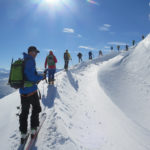
Antarctica 2017 Trip Report – Ice Axe Expeditions
The annual Ice Axe Expeditions Antarctic Ski Cruise is the fountain of youth, if for no other reasons than it makes you feel young, alive and promotes immaturity. This was the 7th time Ice Axe has put on the “Trip of a Lifetime” and it just keeps better better and more polished every year. This […]
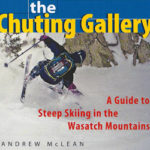
The Chuting Gallery – Available on November 12th
I’ve been running low on copies of “The Chuting Gallery” and sold out of them recently. But have no fear – they are being reprinted as I type and more will be available when I return from Antarctica on November 12th. If you really get desperate, there is currently one for sale on Amazon for $817. […]
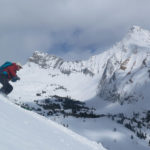
Pioneer Mountains and Yurt – Idaho
It only took me about 25 years to get around to it, but after being on my wishlist for far too long, I finally made it up to Idaho’s Pioneer Mountains recently. I first heard of them from Pete Patterson who told me that they were his favorite range, which says a lot considering that […]
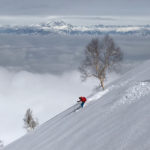
Moving Through Kashmir – A Gulmarg Ski Primer
Much like La Grave, France, Gulmarg in Kashmir is a lift served backcountry skiing paradise. The main difference between the two areas is that what La Grave has in vertical and steeps, Gulmarg has in width and endless open bowls of powder. The areas are similar in infrastructure, but very different in terrain. Located in […]
Just the Tip Video Compilation
Towards the end of the 2017 winter, I started shooting a series of short videos on ski mountaineering skills. Originally it was going to be entitled “Tips and Tricks” but during a powder session with Andy Jacobsen and Noah Howell, two of the original PowderWhores founders, it became “Just the Tip” with an intro suggested […]
Svalbard/Arctic Circle Ski Cruise in May
Svalbard is to Europe as Alaska is to America – a land of snow, ice & rocks located off of the northwest corner of the continent. Also known as Spitsbergen, which roughly translates into “Land of Pointy Rocks” in Danish, it is an incredible place to ski and ride. At just below 80 degrees north, the […]
Mountain Mishaps Slideshow – Feb 9th, Snowbird
It’s one thing to have a few close calls in the mountains and yet another to have had enough to fill an hour long slide show. What can I say – I’m a slow learner. As part of the Utah Adventure Journal Speaker Series, I’ll be talking about some of the direct hits and near misses […]
Wounded Wizard
In the age of acute political backcountry correctness, being insulted or yelled at by Bob Athey, aka The Wizard of the Wasatch, is a badge of honor. I almost feel sorry for the up and coming youngsters who have missed out on it. Bob is an equal opportunity offender, so you can’t take it too […]

DIY Boot Dryer
I have to admit I’ve pondered this project for at least two years (not full time – don’t worry) and had a few false starts. I’ve been thinking of a cheap, durable, compact boot dryer which could handle at least four sets of boots and had an easily replaceable heater unit, as that’s the part […]

Guided Backcountry Skiing in the Wasatch Mountains
Along with the new snow that the Wasatch Mountains are getting, there are now some new guiding operations as well. For years, the Forest Service has limited the number of concessions in the Wasatch, but they have recently opened it up to allow some smaller companies a limited number of skier days. One of these, Red River […]


Recent Comments