
 Racing
Wasatch Citizen Series Gets Geared Up
There may not be enough snow on the ground to ski, but there is more than enough to suffer. The Wasatch Citizen Series is back for another round this year with the first race taking place early Thanksgiving morning, which will give you an excuse to pig-out later that day. The bulk of the Citizen […]
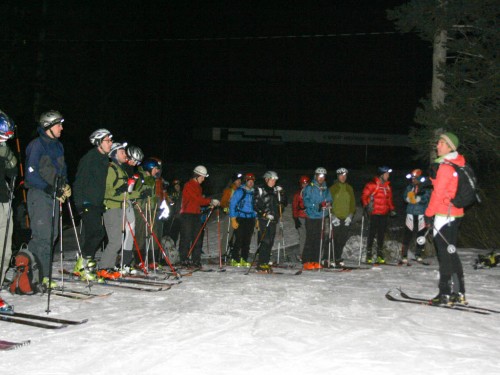
Wasatch Night Racing
One of the cruxes of ski mountaineering races in America is that it takes a staggering amount of work to put one on. By comparison, there are all sorts of Citizen League XC races and dual slalom night events, which are a great way to get together, have a casual event/race, stay in shape and […]
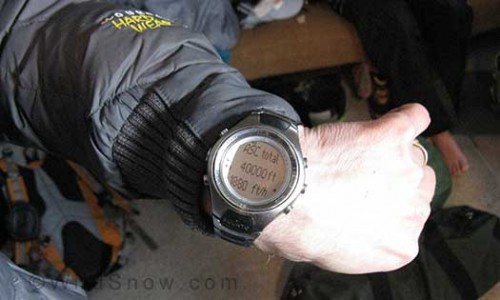
The Big Four-Oh
Having hit 40,000′ of climbing and skiing at the 24 Hours of Sunlight, I’d like to say I can now rest easy, except I’m still in too much pain. Someday, hopefully soon, I’ll rest easy, but the best I can do until then is just to be very psyched. The first year I did the […]
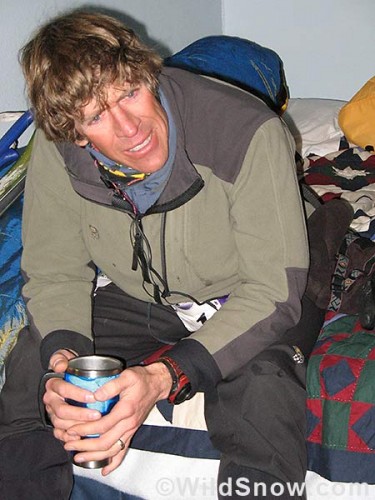
24 Hours of Pain… coming up.
It’s been four years since I partook in the inaugural 24 Hours of Sunlight race in 2005, which is just long enough to forget the painful memories and do it again. Through bad luck, I had a schedule change that fell through this weekend (I was going to give the dog a bath) which meant I had no […]
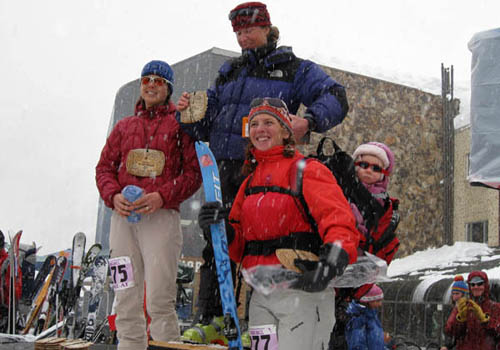
The Wasatch PowderKeg Lives!
Snatched from the jaws of financial abandonment, I’m psyched to say the Wasatch PowderKeg Ski Mountaineering race will be back again this year by popular demand! The race was resurrected by a group of my neighbors here in Summit Park (aka Somewhat Dark, or The Alpine Slum), including Chad Brackelsberg, G and Mark Christopherson (of […]
Black Diamond PowderKeg R.I.P.
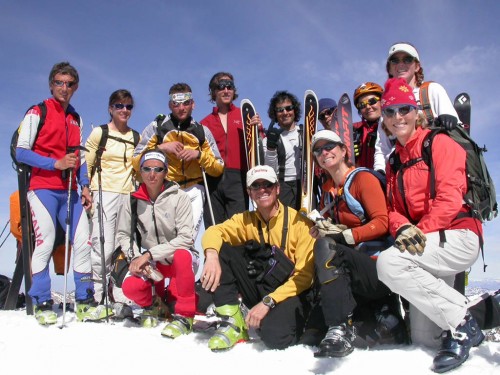
It was great while it lasted, but after six years, two World Cup events and many exciting moments, the Black Diamond PowderKeg has become history and will not be held this year. Sigh. I was involved with the PowderKeg as the Course Setter & Technical Director and one of my favorite aspects of the race […]

Ski Mountaineering Racing Info
A few years ago I was very involved with ski mountaineering racing, both as a participant and later as a race organizer. It is an incredibly fun sport and aside from the events themselves, there is a a huge amount of carry-over as far as general ski touring goes. After only a single race or two, you […]
2008-2009 ISMF Racing Schedule
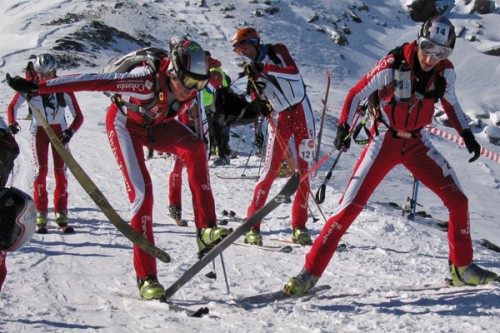
Hot off the LCD monitor, here’s the International Ski Mountaineering Federation 08/09 race schedule. These are all the ISMF sanctioned races, including World Cups and National Championships. Most of the races are in Europe, but there is one in Korea and another up in Whistler, BC if you happen to be traveling that way this […]



Recent Comments