
Archive for May, 2009
In AK
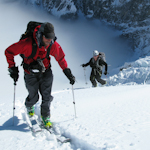
Got a message last Sunday night from a gadget which tells Andrew’s position : The Sultana Ski Team is alive, well and having fun. ESN:0-7477467 Latitude:62.9897 Longitude:-151.2332 Nearest Location:not known Distance:not known Time:05/25/2009 00:26:57 (America/Phoenix) http://maps.google.com/maps?f=q&hl=en&geocode=&q=62.9897,-151.2332&ie=UTF8&z=12&om=1 If you go to the map, you can see that he sent it from the base of Mt. Crossen. […]
Expeditions – Food Treats
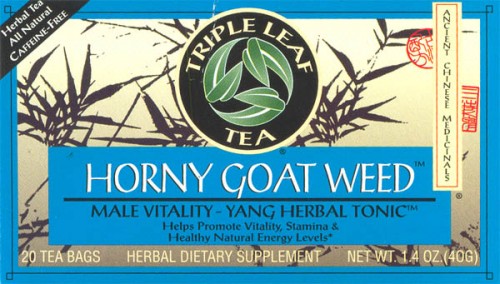
In the process of perusing Costco, Emergency Essentials, WalMart and Southeast Supermarket, I came across a few little treat that I know Fred, Kip and Courtney will love… Tea specifically for that slack-tart Courtney, who needs all the male vitality he can get: And, for day three in the snow cave… I have no […]
Expeditions – Stove Set-Up
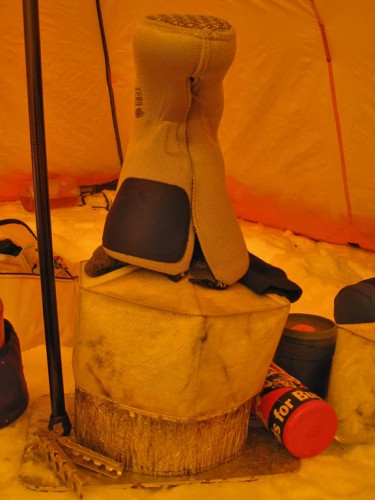
Stoves are the heart of any expedition, as without them, you are not going to be melting snow for drinking water or cooking food – at least not very fast. No food & no water equals no movement. Within the grand stove category, there is really only one that matters, the Mountain Safety Research (MSR) […]
Expeditions – Hanging Scale
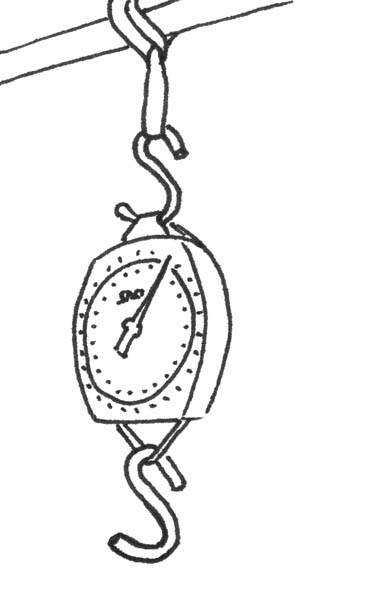
If I had to pick one of the most important pieces of pre-expedition equipment I’ve ever bought, without a doubt it would have to be a hanging scale. I use this thing on an almost daily basis for weighing all sorts of items and it goes into overtime when prepping for a trip. For instant weighing, I’ve […]
Expeditions – Wands
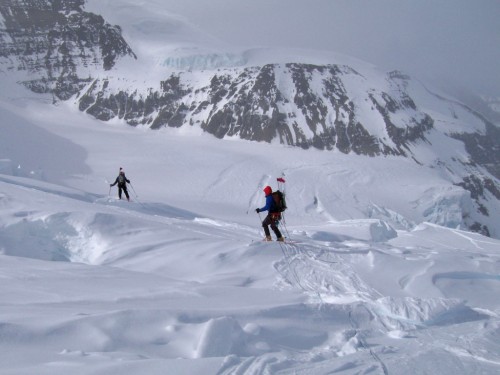
Placing wands in the mountains is a bit of an art. On one hand, you only have a limited number of them, so you don’t want to over-place them, and if it is clear and sunny, there is a temptation to skip placing them as the way up and back is obvious. Because of this, I’ve […]
Expeditions – Food Drier
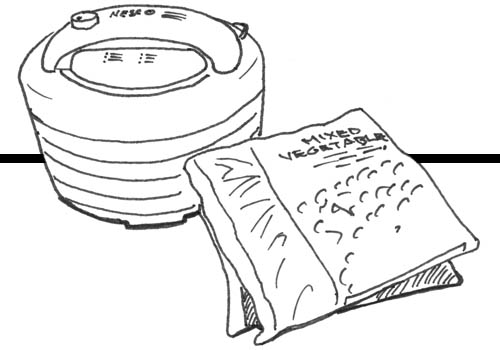
I’ve tried a variety of different foods for expeditions ranging from Himalayan style where you just hire a cook and they take care of it all to dumping hot water in a bag of freeze dried food. My current, and favorite technique is to eat as much “normal” food as possible as I think it is […]
Expeditions – The Proposal
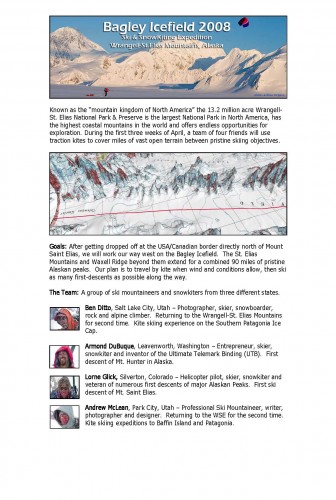
A written proposal acts as the statement-of-intent for an expedition and a formal starting point. I got into writing proposals after filling out a few grant applications, and whether I won the grant or not, I liked the way that it forced me to think way ahead of time in terms of trip logistics, dates, costs, partners […]

The Bridge
A mini video showing the fun and sporty currenty conditions of skiing across the White Pine trailhead bridge on May 8th. Noah Howell leads the way, Courtney Phillips takes the high road. ___________________ Help support StraightChuter.com and get the best prices on the best gear at Backcountry.com! Click the Golden Gear Goat below:
Expeditions – The Beginning
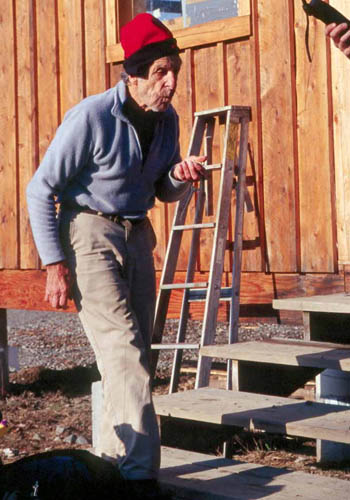
John Ryan from “The Lonely Planet” describes the travel cycle as “dream, plan, book, go, come back,” This covers it, but it is easier said than done. To me, the “plan” part is the most important, but before that, you have to have a dream of where you want to go skiing. I get my expedition […]
Expedition Season
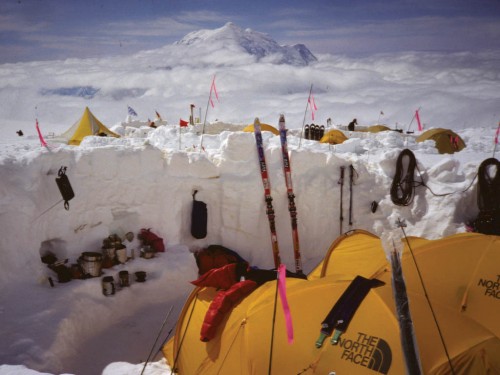
To me, expedition skiing is what it is all about. I love the idea of using skis to explore remote areas, the sense of commitment, the fun of travel, the great partners, meeting new people along the way, hopefully ticking off some challenges and more than likely adding a few more to the To Do […]


Recent Comments